
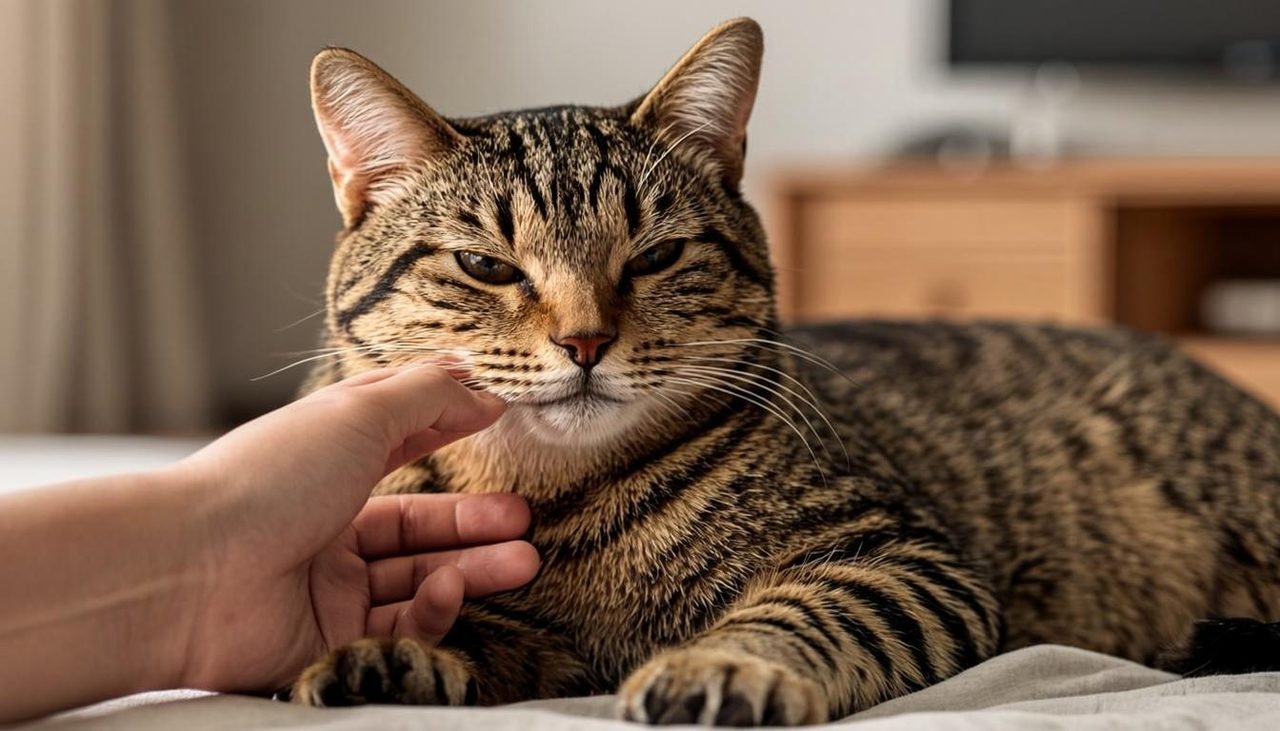
What it means to be humane
Being humane is broader than simply not hurting animals. It means actively recognising that animals have experiences — comfort and discomfort, fear and contentment, pain and relief — and that those experiences matter. A humane person does not merely refrain from kicking a dog; they notice when a dog is hungry, thirsty, frightened or hurt, and they feel moved to do something about it. The word "humane" itself carries the insight: our treatment of animals is, in a sense, a reflection of our own humanity.
The five freedoms in everyday life
Animal welfare thinking describes what every creature needs through five freedoms: freedom from hunger and thirst; from discomfort; from pain, injury and disease; from fear and distress; and freedom to express natural behaviour. What makes these freedoms powerful is how easily they translate into daily life. Anyone can offer water in the heat (freedom from thirst). Anyone can let a sleeping animal lie undisturbed instead of shooing it (freedom from discomfort). Anyone can drive slowly in lanes where animals live, or call for help for an injured one (freedom from pain and fear). Humane treatment is less about heroic rescue and more about a hundred ordinary courtesies.
Compassion in everyday choices
Consider how many moments in an ordinary week invite a humane choice. The dog crossing the road while you drive — you slow down, or you don't. The children throwing stones at a cat — you correct them gently, or you look away. The frightened puppy hiding under a bench — you pause and call someone who can help, or you walk on. The temptation to buy a pet on impulse because it looked adorable in a video — you wait and think, or you don't. None of these moments requires wealth, expertise or heroism. They require only that we see animals as feeling beings whose small lives are, to them, the whole world.
Humane habits extend to our words too. Teaching children that animals feel pain, and showing them — by our own example — how to be gentle, plants seeds that grow for decades. Speaking up, politely but clearly, when someone mistreats an animal tells everyone watching where your community's standards lie. Kindness modelled in public multiplies; cruelty ignored does the same, in the opposite direction.
Respecting the animals who live around us
Community animals thrive on predictability and respect. Feeding them at consistent times, leaving them space to rest, not chasing them for photographs, and being patient with mothers protecting their young are all acts of respect for their way of life. So is recognising their value to the community itself: generations of Indians have lived alongside street dogs and cats, and these animals are as much part of the neighbourhood's living fabric as its trees. A humane community does not sentimentalise its animals — it simply lets them live their lives in peace, with help available when they need it.
Compassion is contagious — for good and for ill
Every act of kindness towards an animal is quietly witnessed. Children watch. Neighbours watch. The lesson spreads in both directions: where cruelty is laughed off, it hardens into normality, and where care is visible, care becomes culture. This is perhaps the deepest reason animal welfare matters to everyone, including people who feel no particular affection for animals: a community's gentleness towards its most vulnerable members is the soil in which every other virtue grows. Practise it visibly. The world your grandchildren inherit is being shaped by what your street tolerates today.
Key takeaways
- Being humane means actively recognising animals' experiences — not merely avoiding cruelty.
- The five freedoms translate into a hundred small, ordinary courtesies anyone can offer.
- Everyday moments — driving, correcting children, resisting impulse purchases — are where compassion is practised.
- Respect for community animals means patience, consistency and space to live in peace.
- Kindness witnessed becomes kindness repeated: compassion is contagious.