
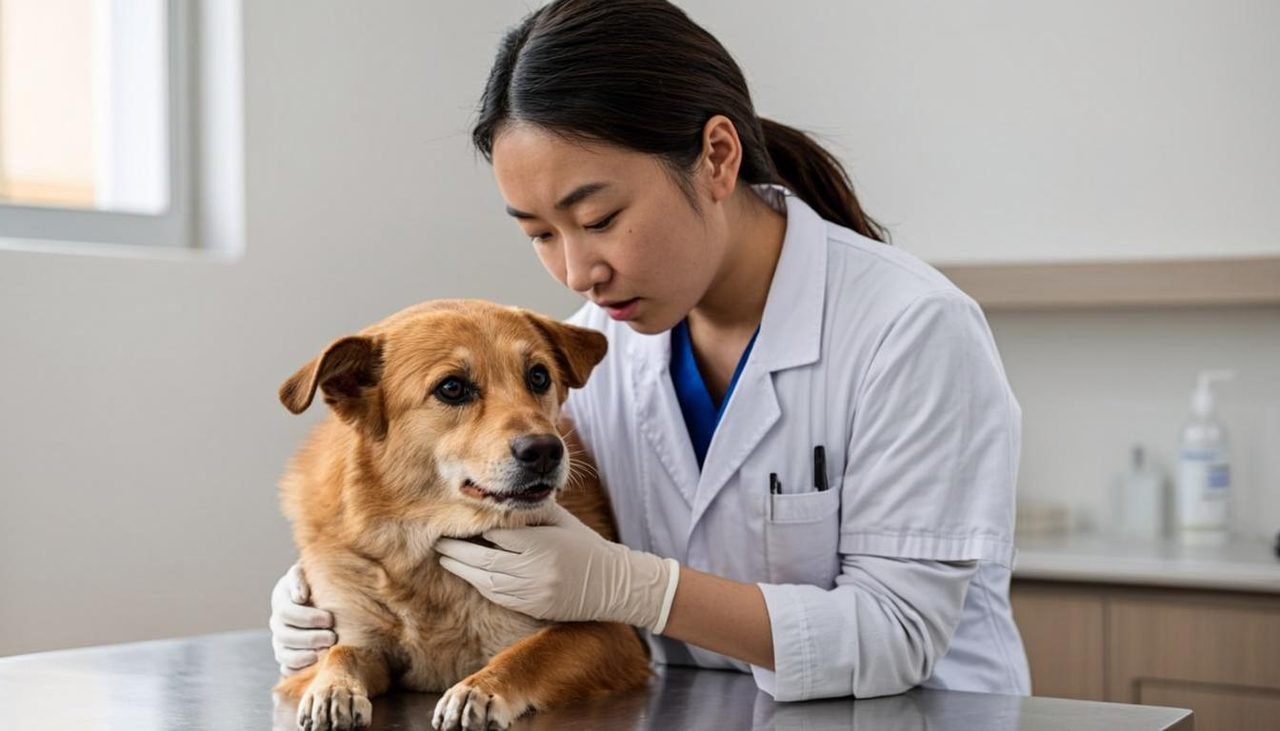
Why veterinary care matters for every animal
Animals experience pain and illness just as people do — but they cannot describe where it hurts, ask for an appointment, or understand why they feel bad. A limp, an infected wound, a fever: these simply have to be endured until someone notices. That is why veterinary care is not a luxury or a final resort; for an animal, it is the only route out of suffering that exists. And because animals tend to hide weakness — an instinct inherited from their wild ancestors — by the time a problem is visible, it has often been developing for a while.
Preventive care saves lives
The most powerful veterinary medicine is the kind applied before anything goes wrong. Three pillars of preventive care stand out for community and pet animals alike:
- Vaccination. Core vaccines protect dogs and cats from deadly diseases. In India, rabies vaccination is especially significant — it protects animals and, because rabies can pass to humans, it protects communities too. A vaccinated street dog population is a safer street dog population, for everyone.
- Deworming and parasite control. Internal and external parasites quietly drain an animal's health, worsening malnutrition and disease resistance. Regular deworming is inexpensive and transformative.
- Sterilisation. Sterilised animals live healthier lives — with reduced risk of certain cancers and infections — and humane sterilisation programmes are the recognised, compassionate way to keep street animal populations stable and healthy over the long term.
Recognising when an animal needs medical attention
You do not need medical training to notice when something is wrong — you need attentiveness. Warning signs include visible wounds, bleeding or swelling; limping or reluctance to move; severe scratching, mange patches or hair loss; discharge from the eyes, nose or mouth; laboured or rapid breathing; extreme thinness; sudden lethargy; refusal of food and water; and behaviour that has changed abruptly — a friendly animal turning withdrawn, for instance. Very young animals alone and without their mother also need urgent attention. When you see these signs, the right move is to contact a veterinarian or an experienced welfare organisation rather than attempting diagnosis and treatment yourself.
Common barriers — and practical ways through them
If veterinary care were easy to access, street animals would rarely suffer from treatable conditions. In reality, cost, distance and awareness keep many animals from care. Practical realities soften these barriers: many cities have government veterinary hospitals and animal welfare organisations that treat or subsidise care for street animals; some private clinics offer reduced rates for community animals; and experienced community caregivers often know which clinics are animal-friendly. If you are feeding or caring for a street animal, ask local feeders and welfare groups which options exist in your area — this one piece of local knowledge is often what turns a crisis into a manageable afternoon.
Caring without causing fear
Getting an already frightened animal to help requires patience. Move slowly, speak softly, and avoid crowding or grabbing. For transport, a blanket wrapped gently around a small animal reduces panic; larger animals may need an experienced handler's help. Remember that a stressed animal is not an aggressive one — it is a terrified one — and force-free handling is both kinder and safer. If you are ever unsure, involve someone experienced; a bad experience with handling can set an animal's trust back for months.
Key takeaways
- Animals cannot ask for help — veterinary care is their only route out of suffering.
- Vaccination, deworming and sterilisation prevent far more suffering than they cost.
- Visible wounds, limping, mange, lethargy and changed behaviour all warrant prompt professional attention.
- Government hospitals, welfare organisations and animal-friendly clinics exist in most areas — local caregivers usually know where.
- Handle frightened animals slowly and gently; involve experienced help when unsure.
Important: this article is general educational information only and is not veterinary advice. Diagnosis and treatment must always be carried out by a qualified veterinarian. If an animal is injured or unwell, please contact a veterinary professional or an animal welfare organisation without delay.