
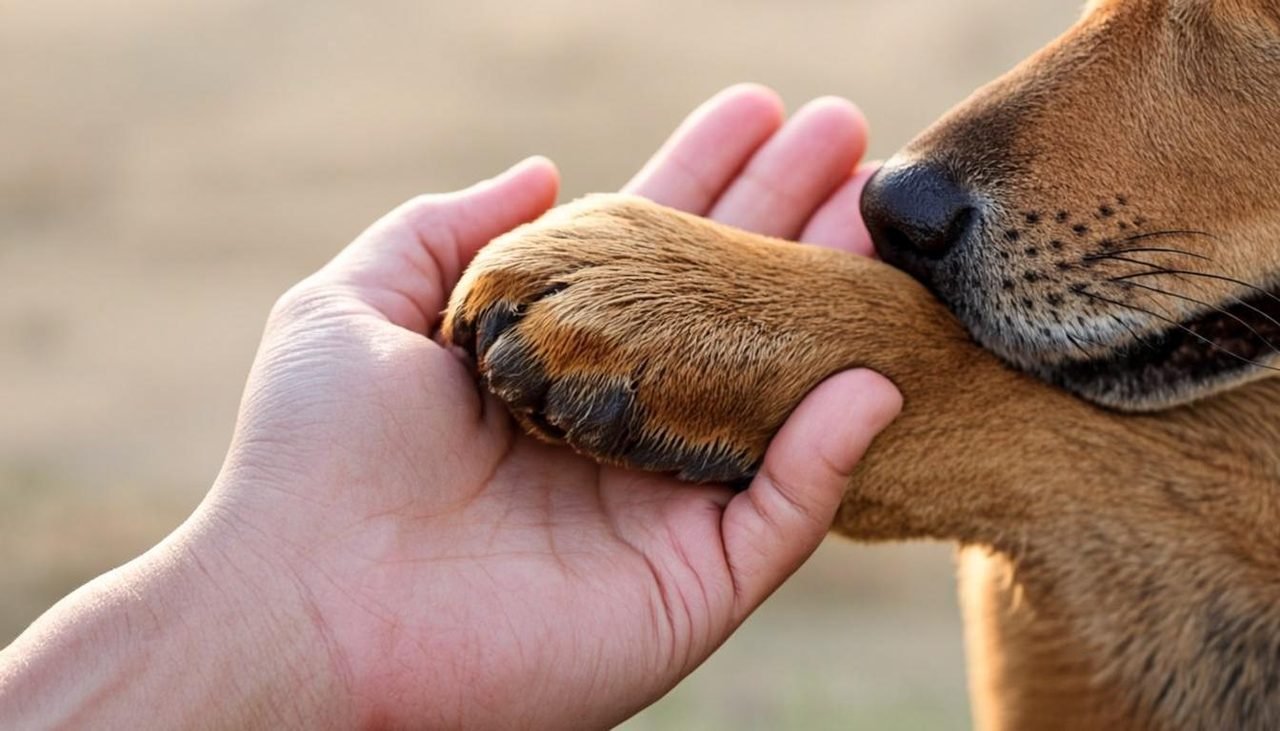
Change starts locally
National policies and animal welfare laws matter, but the daily experience of a street animal is shaped far more locally — by the residents of one lane, the shopkeepers of one market, the students of one school. This is good news, because it means the power to improve animals' lives is close at hand. No permission from anyone is needed to place a water bowl. Communities that act together discover something else along the way: shared purpose around compassion brings people closer to each other, too.
Practical things any community can do
- Water bowls in summer. Place bowls in shaded spots and refill them daily from March to June. This simple tradition saves lives every year, and costs almost nothing.
- Organised feeding points. Agree on one or two clean, low-traffic spots for feeding, keep a simple rota among willing households, and always clean up afterwards.
- Shelter from weather. A cardboard box lined with old cloth, a covered corner of a parking area, an open shed in winter — small shelters protect vulnerable animals from heat, rain and cold.
- Support sterilisation and vaccination drives. Municipal bodies and animal welfare organisations periodically run sterilisation and anti-rabies vaccination programmes. Communities that welcome and support these efforts see calmer, healthier, more stable animal populations over time.
- Keep an animal contact list. Numbers of the nearest animal-friendly vet, welfare organisation, municipal helpline and experienced local caregiver — shared on the residents' group — turn every emergency from a panic into a plan.
Schools and young people
Children are natural animal lovers until someone teaches them otherwise — so teach them kindness instead. Schools can include humane education in activities: reading about animals, caring for a class plant-and-pet corner where appropriate, or inviting welfare organisations to speak. At home, parents can let children help fill water bowls and teach them never to tease, chase or throw things at animals. Young people who grow up gentle grow up powerful in the best way: they carry compassion into every part of their lives.
Businesses and residents' associations
Shops, offices and housing societies make dozens of small decisions that affect animals. Allowing animals to rest in doorways and basements rather than driving them out, choosing not to use barbed wire or glass edges on walls, placing a bowl at the gate, sponsoring feed or veterinary visits for the animals around their premises — these choices cost little and transform an area's character. Residents' associations can go further: adopting a humane animal policy for the campus, coordinating with welfare groups for sterilisation drives, and gently correcting residents who harm animals. A society that is famous for its friendly dogs is usually famous for something else too — being a good place to live.
Responding to cruelty, the right way
Unfortunately, cruelty happens — and how a community responds shapes whether it continues. If you witness deliberate harm to an animal: stay safe, never confront violently. Document what you can (photographs, video, date, place, any identifying details), and report the matter through proper channels — local police, the municipal authority, or animal welfare organisations and helplines in your area. In India, cruelty to animals is a punishable offence under the law, and reporting genuinely helps. What helps even more, over time, is a community culture where cruelty is neither ignored nor tolerated — where neighbours speak up, calmly and firmly, for those who cannot.
Partner with those who do it daily
Welfare organisations live inside these problems every day and know the terrain — which vets are reliable, how to run a feeding rota, how to handle an emergency at midnight. Communities that partner with such organisations multiply their impact; supporting them through donations, volunteering and simply spreading their work is one of the most efficient forms of help available. Learn about our focus areas to see how organised support becomes organised care.
Key takeaways
- Water bowls, clean feeding spots, simple shelters and shared contact lists transform animal welfare on any street.
- Supporting sterilisation and vaccination drives leads to healthier, calmer animal populations.
- Schools shape the next generation's compassion; humane education is an investment with lifelong returns.
- Businesses and associations make small choices with big consequences — most kind choices cost little.
- Report cruelty safely through proper channels, and never ignore it.