
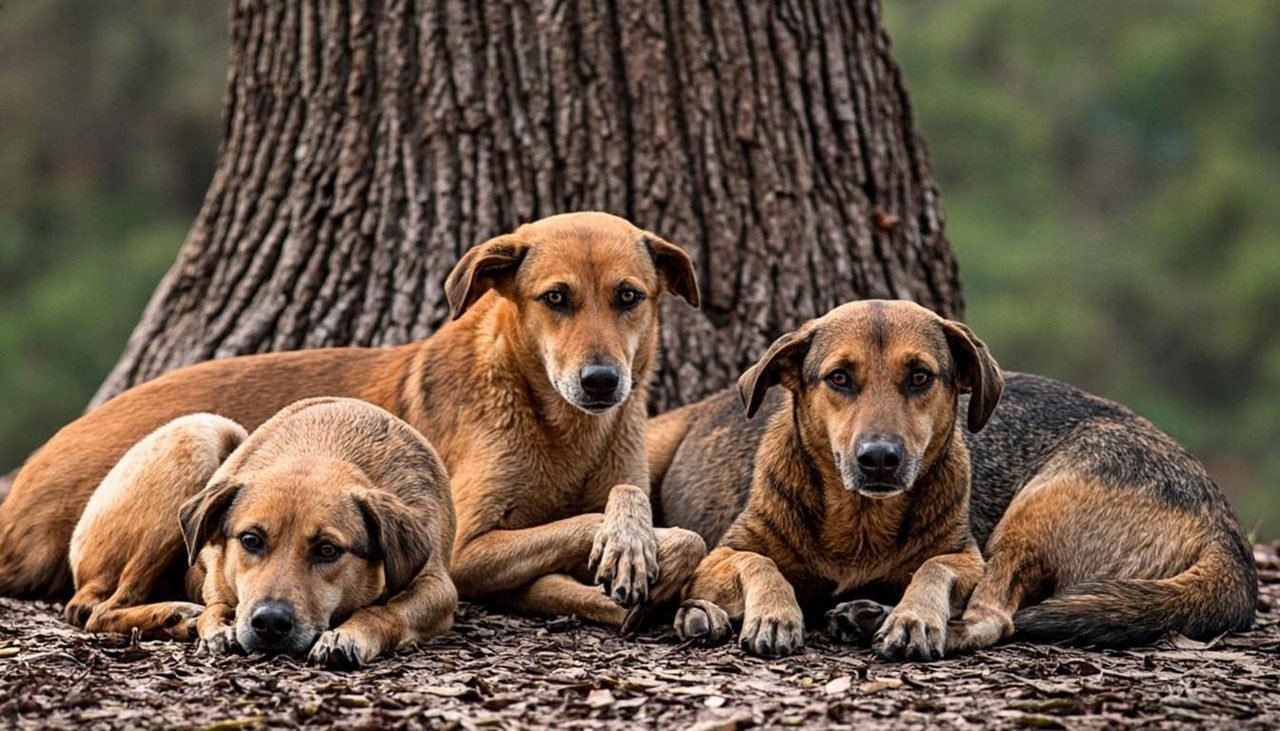
The animals among us
In almost every neighbourhood in India, dogs and cats live alongside people — sleeping on pavements, waiting patiently outside bakeries, trotting familiar routes with the confidence of long-term residents. They are not visitors passing through; they were born here, and here they will stay. Unlike pets, they have no owner to feed them or take them to a vet when they are hurt. Unlike wild animals, they cannot survive independently in nature. They occupy a unique space: entirely dependent on human goodwill, yet invisible to most human schedules.
This in-between existence is precisely why animal welfare matters so much in our communities. When their needs go unmet, the suffering is not abstract or distant — it happens on our own streets, sometimes in front of our own homes. And when their needs are met, the benefit is equally local: calmer animals, cleaner feeding spots, fewer conflicts and a neighbourhood that feels just a little more humane.
What animal welfare really means
Animal welfare is not simply the absence of cruelty. It is the presence of the things every living creature needs to live well. Animal welfare frameworks around the world describe these as the "five freedoms" — and they translate beautifully into everyday neighbourhood terms:
- Freedom from hunger and thirst — a reliable bowl of food and fresh water, not scraps scavenged from bins.
- Freedom from discomfort — shade in summer, shelter from rain and cold, a place to rest safely.
- Freedom from pain, injury and disease — a wound cleaned and treated, an illness noticed early, access to veterinary care.
- Freedom from fear and distress — being handled gently, not pelted with stones or chased for sport.
- Freedom to express normal behaviour — room to play, walk, socialise and simply be a dog or a cat.
Measured against these five freedoms, the difference between an animal that is merely surviving and one that is living decently is usually not money or expertise. It is attention. Someone noticed. Someone cared enough to act.
The connection between animal and community wellbeing
It is tempting to see animal welfare as a separate cause — something animal lovers do, parallel to "real" community work. In practice, the two are deeply intertwined. Community animals that are regularly fed become calmer and less competitive; they form stable territories and get along better with people. Animals that are sterilised and, where available, vaccinated contribute to safer neighbourhoods over time. Feeding points that are kept clean help keep streets tidy as well.
There is a human dimension too. How a community treats its most vulnerable members — and street animals are unquestionably among them — shapes its character. Children who grow up watching adults feed a hungry dog or gently move a cat from harm's way learn empathy as naturally as they learn language. Conversely, children who grow up watching animals being kicked learn something far more corrosive. Compassion, practiced in public and in the open, is contagious in the best possible way.
Small actions, meaningful change
The encouraging truth is that community animal welfare does not require everyone to become a full-time rescuer. It requires many people doing small things consistently. A family that keeps a water bowl filled through the summer. A shopkeeper who allows dogs to sleep under the awning without shooing them away. A resident who notices a limping dog and calls someone who can help. A school that teaches children to be gentle. Individually, these are modest gestures. Together, they are the difference between a street where animals suffer quietly and one where they live with dignity.
Supporting organisations that do this work full-time is another powerful form of participation. Groups like Wisdom Animal Welfare Foundation exist to organise, extend and sustain the kindness that individuals begin — turning scattered goodwill into dependable food, water, care and awareness. Donations, shared articles, and simply spreading accurate, humane information all feed that mission.
Key takeaways
- Street and community animals are permanent residents of our neighbourhoods, entirely dependent on human goodwill.
- Animal welfare means more than the absence of cruelty — it means food, water, comfort, medical care and freedom from fear.
- Well-cared-for animals contribute to calmer, safer, cleaner communities.
- Consistent small actions — water, food, attention, gentleness — matter more than occasional grand gestures.